Shonishin Pediatric Acupuncture:
Gentle Healing for Little Ones
What is Shonishin?
Shonishin (sho = little, ni = children, shin = needle) is a unique form of pediatric acupuncture developed in 18th-century Osaka, Japan. Unlike traditional acupuncture, Shonishin is a non-invasive therapy designed specifically for infants and young children. Today, it remains a trusted part of child healthcare in Japan and is gaining popularity worldwide for its gentle, effective approach.
Why It Works for Children
Children are in the most “yang” phase of life, meaning their energy (Qi) moves quickly and is easily influenced. Because their systems are still developing, they can become overstimulated or unbalanced more easily than adults. Shonishin helps regulate this energy, supporting healthy growth and development.
A Gentle, Needle-Free Approach
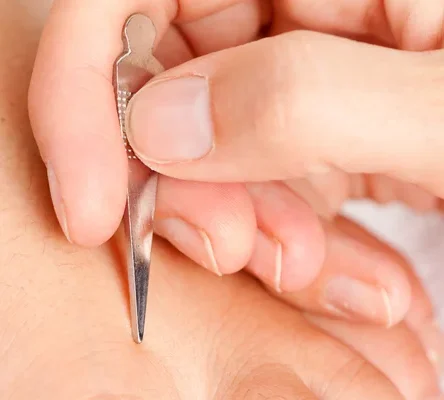
Shonishin uses specialized tools and techniques that do not puncture the skin. Instead, practitioners apply rhythmic stroking, tapping, rubbing, and pressing to stimulate the body’s energy pathways. These soothing treatments are not only safe and comfortable for children—they’re often enjoyable!
Traditional, Backed by Experience
The foundations of Shonishin are found in ancient Chinese medical texts like the Ling Shu, which describe nine types of needles—some never intended to pierce the skin. Three of these tools—the enshin, teishin, and zanshin—are essential to Shonishin practice. Over time, additional tools and techniques have been developed to enhance care for young patients
Safe. Soothing. Effective.
Whether your child is experiencing specific health concerns or you’re simply looking to support their overall wellness, Shonishin offers a gentle, holistic solution tailored to their unique needs.
Benefits of Shonishin
Strengthens the immune system. Supports emotional and physical development. Helps with common childhood conditions such as colic, digestive issues, sleep disturbances, and more. Promotes overall balance and well-being